
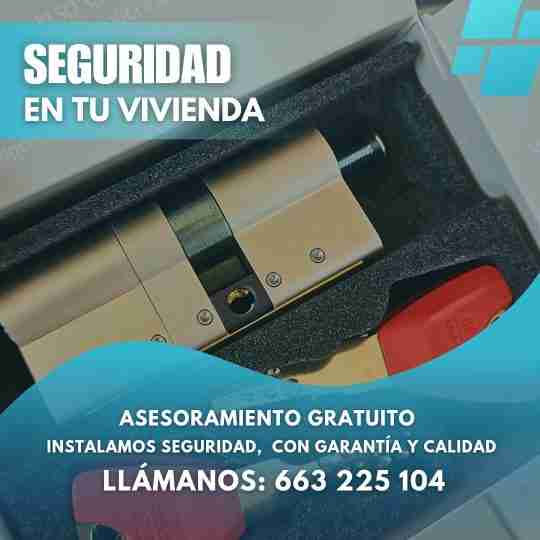
Best high-security cylinder: Keso, M&C, Abus and Tesa compared
Comparison of the best high-security lock cylinders in 2026: Keso, M&C, Abus and Tesa.
Read article →One of the worst moments after a burglary is discovering that your insurer will not pay because "there are no signs of forced entry". It happens more than you think: many burglary techniques open the door without breaking anything. As forensic locksmiths, we explain why it happens, the difference between robbery and theft for your policy and —most importantly— how to get your insurer to cover the burglary.
Quick answer: it depends on your policy, but many insurers only cover "robbery with force", that is, when there are visible signs of forced entry (a broken lock, prying marks). If the burglar got in with a clean technique —bumping, picking, loiding or a false key— and left no marks, the insurer may classify it as "theft" and refuse to pay, or pay much less. The way to get paid is an expert report from a forensic locksmith that technically proves how the opening was carried out.
The key is how your policy defines the claim. Almost all home insurance policies distinguish two scenarios, and they are not covered the same way:
| Concept | What it is | Usually covered? |
|---|---|---|
| Robbery with force | They break in by force: breaking the lock, prying, drilling. Leaves visible marks. | ✅ Yes, it is the typical covered scenario. |
| Theft | Things are taken without force or violence: an open door, or a clean opening with no marks. | ⚠️ Many policies exclude it or cover it with low limits. |
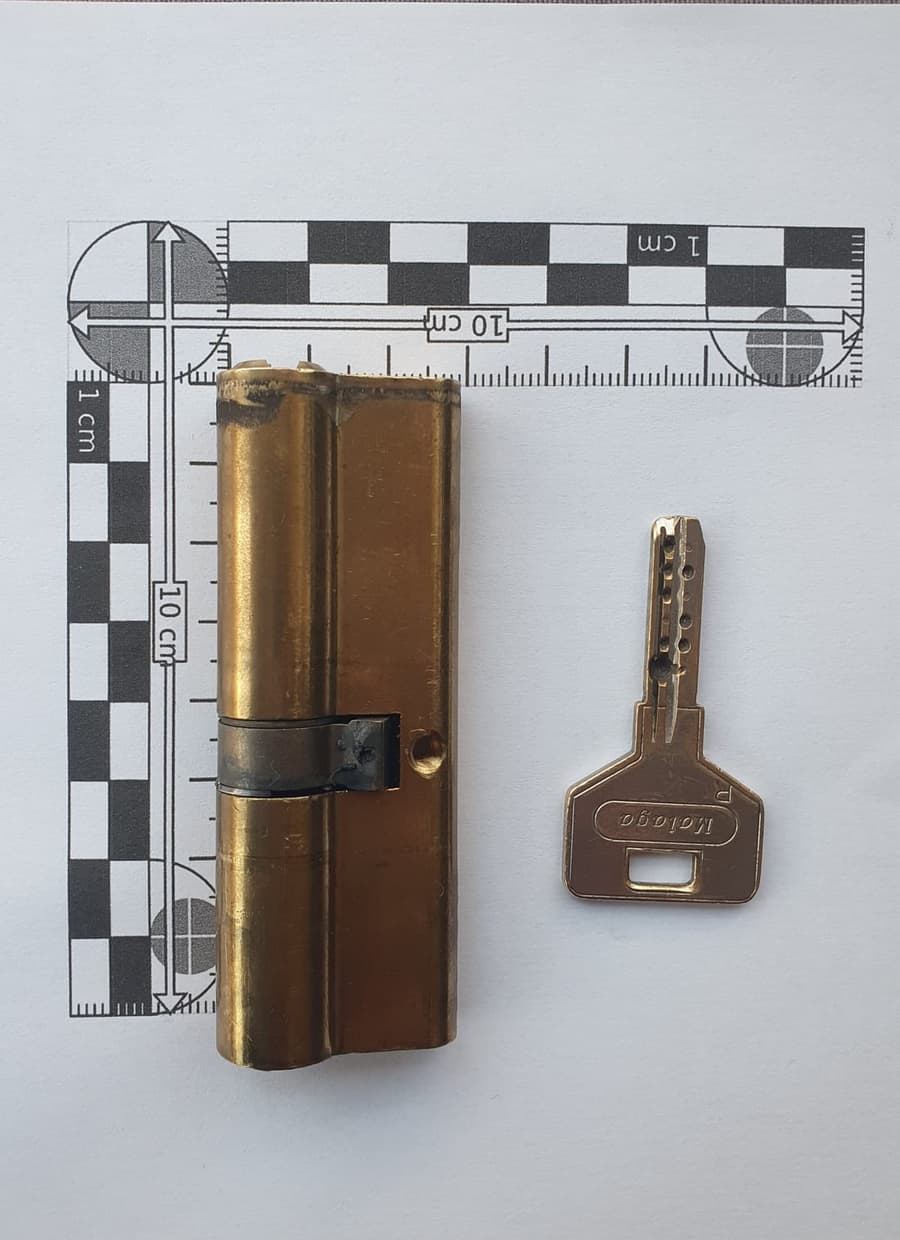
The problem is that techniques such as bumping (impact opening), picking, loiding or key copying by impressioning open the door without breaking it. It may still be a burglary in law, but if there are no physical signs of forced entry, the insurer has the perfect excuse to treat it as theft and not pay.
Under the Spanish Penal Code, robbery with force in things (arts. 237 and 238) expressly includes the use of false keys and of picks or similar instruments, even if nothing is broken. In other words: legally, opening with bumping or an unauthorised copy IS robbery with force. The catch is that your insurance contract may require "signs of violence" to pay, and that is where the conflict arises between what the law says and what the insurer's assessor interprets.
This is where a forensic locksmith (court expert) makes the difference. An expert examines the lock and cylinder and can technically prove the method of opening —for example, traces and micro-marks of bumping or manipulation— even when "there are no signs" to the naked eye. That legally valid expert report is the evidence you need to:
At S1 Cerrajeros we are APFC-certified forensic experts (the Spanish professional association of forensic locksmith experts), exactly the speciality that proves how a door was opened when the insurer says "there is no evidence".
Getting paid after a burglary is hard; preventing it is easy and cheap. With these measures, either the burglar does not get in, or if they try they leave the marks your insurer needs:
Act in this order: 1) report it to the police or Guardia Civil; 2) notify your insurer within the deadline (usually 7 days); 3) do not change or force the lock yet; 4) request an expert report proving the method of opening. With that report, your claim goes from "there is no evidence" to having solid technical grounds.
If you have suffered a burglary and your insurer is raising objections, or you want to reinforce your door so it does not happen, at S1 Cerrajeros we help you: we issue expert reports, replace vulnerable cylinders with high-security ones and advise you with no obligation. APFC-certified locksmiths and experts, with a price fixed over the phone. Contact us or call 663 225 104.
This article is general information and does not replace reading your policy or seeking legal advice on your specific case.
Damage-free opening, cylinder replacement and security locks. Fixed price over the phone, 24 hours.
Call — 663 225 104Comparison of the best high-security lock cylinders in 2026: Keso, M&C, Abus and Tesa.
Read article →
A guide to choosing a trustworthy locksmith in Mijas and avoiding overcharging: 6 signs of a good professional, red flags and what to ask before they set off.
Read article →
A practical guide to securing your door against squatters in Mijas and the Costa del Sol: high-security locks, deadbolts, escutcheons and solutions for empty homes.
Read article →