
Best smart locks 2026: comparison
Comparison of smart locks in 2026: why we fit the Tedee PRO (the most reliable), Nuki, Yale and Aqara.
Read article →Knowing how burglars try to get in is the first step to stopping them. In this guide we go over —without giving anyone instructions— the most common home burglary techniques in 2026 on the Costa del Sol and, above all, how to protect yourself from each one.
Quick answer: most home burglaries come in through the cylinder of the door, often with techniques that break nothing (bumping, picking, impressioning or loiding). The best defence is a high-security anti-bump cylinder with an armoured escutcheon and an extra deadbolt, and checking your cylinder if it is old or basic.
Not all burglaries are the same, nor are they prevented the same way. Below are the most used techniques today, explained broadly —without giving any tips— with the specific measure that stops each one.
One of the quietest techniques: with a special key and a sharp tap the cylinder pins jump and the door opens leaving almost no marks. It mainly affects basic cylinders. We cover it in detail in what lock bumping is and how to protect your home. Stopped by: an anti-bump cylinder.
The "classic" technique: manipulating the pins one by one with picks until they line up. A simple cylinder falls quickly; a high-security one, with special pins and anti-manipulation systems, makes it practically unviable. Stopped by: a high-security anti-pick cylinder.
The burglar inserts into the lock a key prepared with a thin aluminium foil that, on turning and pressing, moulds to the cylinder pins and opens it. It is not a machine that makes a key: it is a "trap" key with a soft foil, and it barely leaves marks. More detail in the impressioning lock attack. Stopped by: a high-security cylinder with anti-manipulation protection.
On doors left on the latch only (without turning the key), a thin card or shim can be slipped between door and frame to push the latch and open. Stopped by: always locking with the key and a multi-point lock.
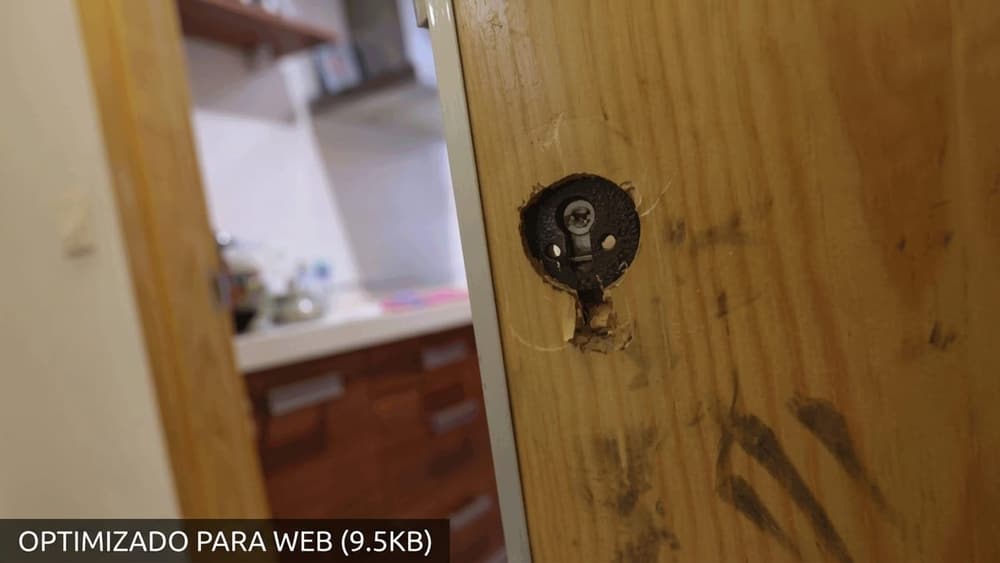
If the cylinder sticks out of the door, it can be gripped and pulled out with a tool. Stopped by: an armoured escutcheon that covers and protects the cylinder.
Attacking the cylinder mechanism directly with a drill. High-security cylinders have hardened steel anti-drill inserts that stop it. Stopped by: an anti-drill cylinder + escutcheon.
The noisiest and most visible: prying the door or frame. Uncommon in flats because of the noise, but possible in isolated homes. Stopped by: a multi-point lock and a well-fitted door.
Second homes and flats that sit empty for months on the Costa del Sol are the favourite target, because nobody is watching. If that is your case, reinforce the door and simulate presence: we explain it in how to reinforce your door against squatters and with an alarm without monthly fees that alerts your phone.
Here is the biggest problem with clean techniques: because they leave no signs of forced entry, some insurers refuse to pay. It is so important that we have dedicated a whole guide to it: does home insurance cover a burglary without signs of forced entry?. In short: a high-security cylinder not only makes the burglary harder, but if they do force it, it leaves the marks your insurer needs.
At S1 Cerrajeros we check your door and tell you exactly what it needs —and what it doesn't— to protect you from these techniques, without overselling. We are APFC-certified locksmiths and forensic experts, with a price fixed over the phone. Contact us or call 663 225 104.
Damage-free opening, cylinder replacement and security locks. Fixed price over the phone, 24 hours.
Call — 663 225 104Comparison of smart locks in 2026: why we fit the Tedee PRO (the most reliable), Nuki, Yale and Aqara.
Read article →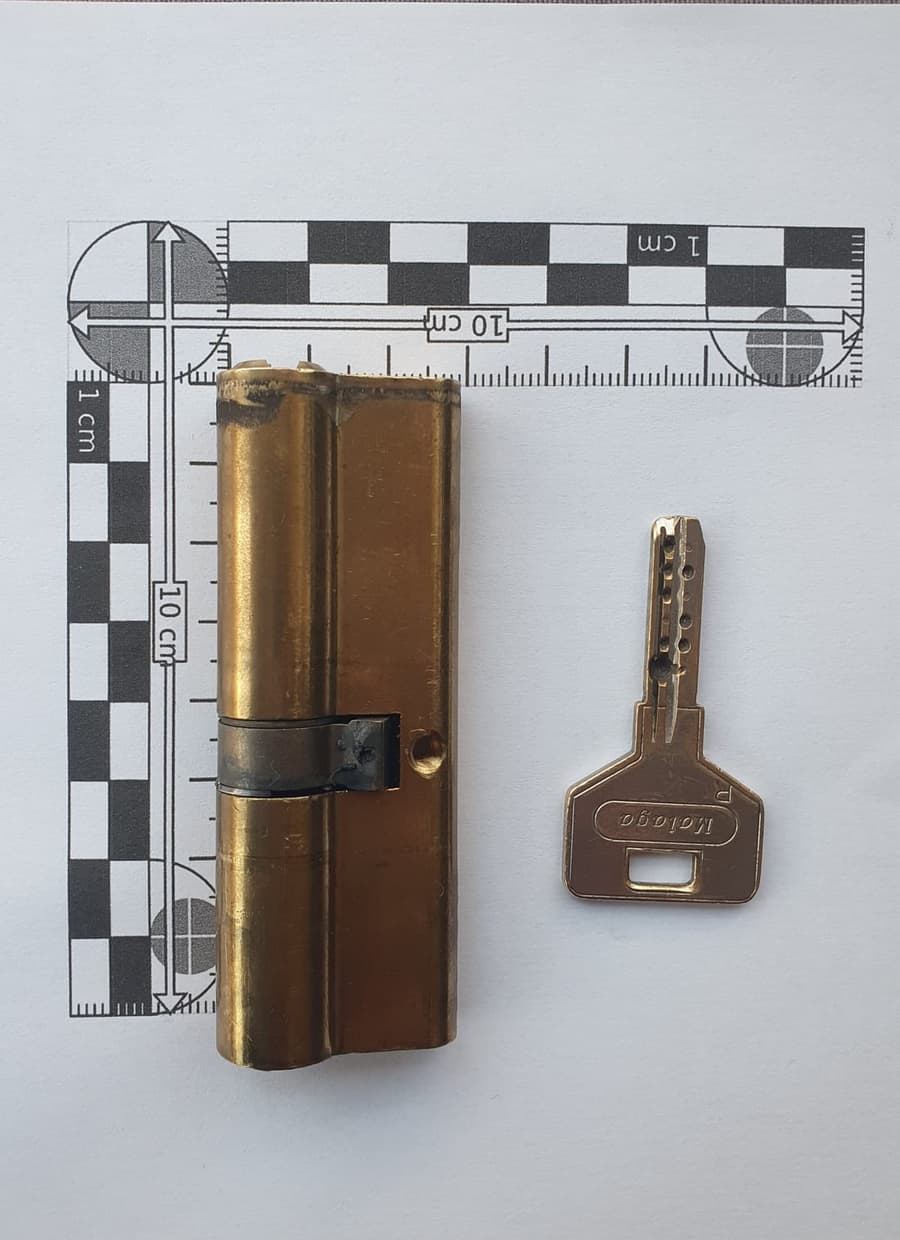
If someone breaks into your home without breaking anything (bumping, picking, false key), your insurer may refuse to pay.
Read article →
Comparison of the best high-security lock cylinders in 2026: Keso, M&C, Abus and Tesa.
Read article →